Book
We
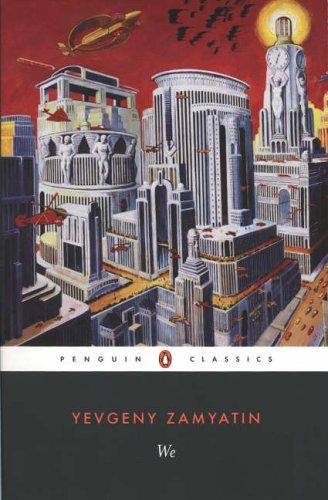
I read this right after finishing my 1984 reread, on purpose, because I’d heard the connection for years, and it turns out the connection isn’t subtle at all. Zamyatin was writing this in the 1920s, well before Orwell, and a lot of what became famous dystopian furniture, the numbered citizens instead of names, the glass architecture erasing privacy, the state that demands enthusiastic devotion, way past mere obedience, shows up here first, sharper in some ways than the version most people know.
What surprised me is how much more overtly unsettling the dehumanization angle is here compared to 1984. Orwell’s Oceania breaks Winston through fear and physical coercion, which is horrifying in a straightforward way. D-503’s unraveling in We happens through something closer to willing self-erasure, a citizen who genuinely believes in the mathematics of a perfectly rational society right up until he doesn’t, and watching that belief crack from the inside is a different, quieter kind of disturbing.
The prose style takes some getting used to, it’s fragmented, diary-entry structured, deliberately disorienting in a way that mirrors D-503’s own fracturing mental state, and I know that’s put some readers off. I didn’t mind it, though I can see why 1984’s more straightforward narrative voice became the one that stuck in the popular imagination instead.
Four stars. If you’ve read 1984 and assumed you’d seen the whole genre’s foundational text, read this next, it’s the actual foundation, and in places it’s the more clear-eyed and more disturbing book of the two.
#books #4outof5 251 words